
Arab Potash Company Funds Karak’s Largest Healthcare Project at a Cost of JD 9 Million
Al-Taj News –
Abu Hdeib: Three Integrated Healthcare Projects Costing Around JD 14.5 Million to Enhance Medical Services in Karak
Abu Hdeib: The Project Is Being Implemented in Partnership with the Ministry of Health and Under Close Follow-up by Prime Minister Dr. Jafar Hassan
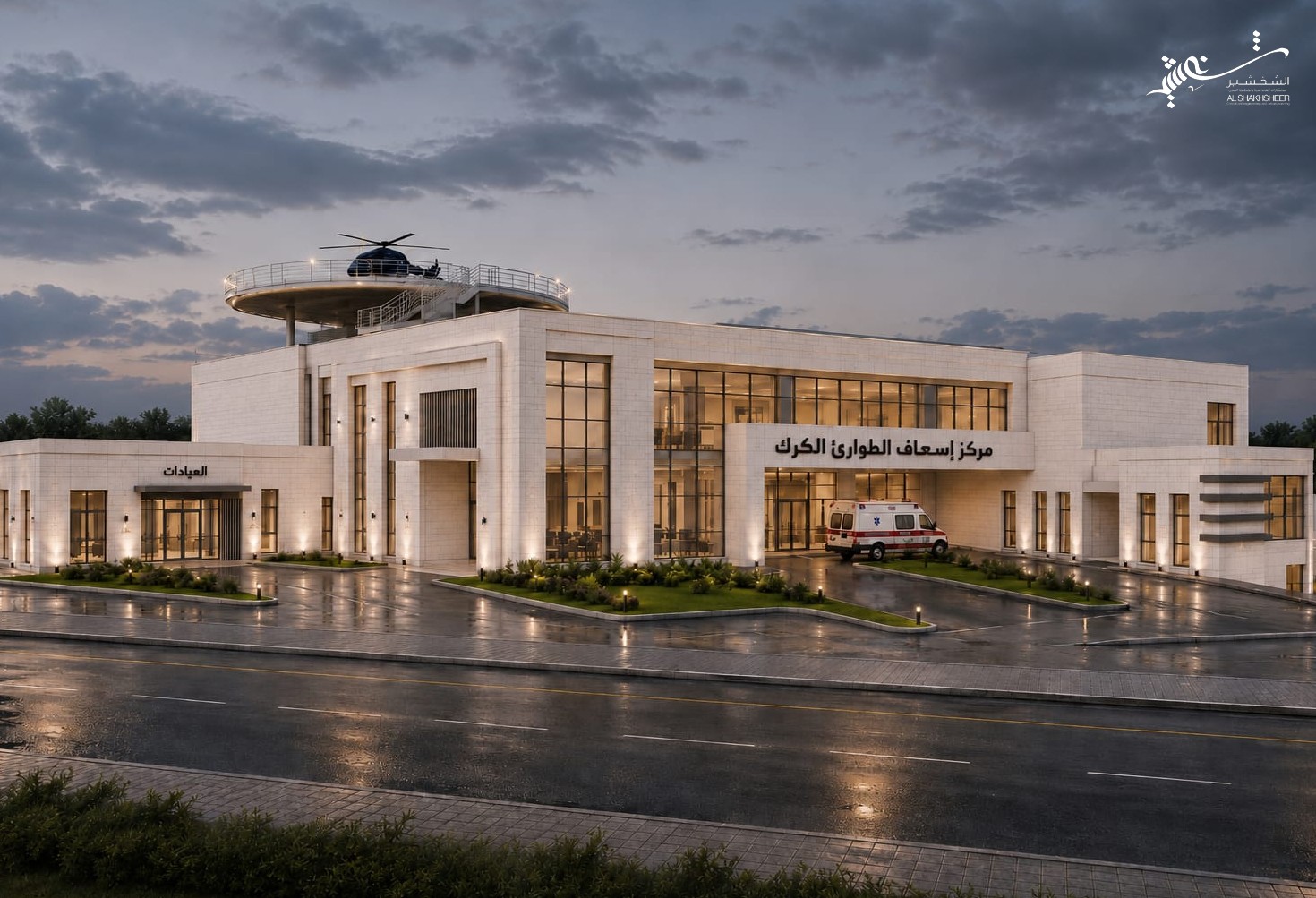
As part of its continued efforts to strengthen its development role in the southern governorates and direct its community investments toward projects with a sustainable impact, Arab Potash Company announced that it is funding the construction of an integrated emergency and ambulance building in Karak Governorate, at an estimated cost of around JD 9 million, making it the largest healthcare project funded by the company in the governorate to date.
With the funding of the new project, the total value of the three healthcare projects funded by Arab Potash Company in Karak Governorate will rise to around JD 14.5 million. In addition to the emergency and ambulance building, the projects include the construction of the Thadan and Barada Health Center at a cost of around JD 1.5 million, and the outpatient clinics building at Karak Government Hospital at a cost of JD 4 million.
The project is being implemented through a partnership between Arab Potash Company and the Ministry of Health as part of the company’s integrated corporate social responsibility program. It is receiving close follow-up from Prime Minister Dr. Jafar Hassan to ensure its implementation according to the highest standards, contributing to supporting and developing the healthcare sector and improving the quality of essential services provided to citizens, particularly in the southern governorates.
The project is being built on a plot of land covering approximately 10 dunums in the northern Karak area. It includes the construction of an integrated three-story building made of concrete and stone, with a total built-up area estimated at around 8,467 square meters. The project is scheduled to be completed within a specified period of 720 days.
The new healthcare facility will include an integrated range of medical, diagnostic and service departments, including the reception and services area, the patient area, including emergency and ambulance services and clinics, as well as intensive care, maternity, operating rooms, radiology and laboratory departments. It will also include an area designated for medical and nursing staff, main warehouses, a medical waste management department, and supporting services and facilities for the building.
Chairman of the Board of Directors of Arab Potash Company, Engineer Shihadeh Abu Hdeib, affirmed that the partnership between the public and private sectors represents an effective model for accelerating the implementation of priority development projects and maximizing their impact through the integration of roles and the allocation of resources toward citizens’ actual needs. He noted that the company’s experience in supporting healthcare projects in Karak Governorate provides a practical model of the tangible results that such a partnership can achieve on the ground.
Engineer Abu Hdeib added that the southern governorates are a priority within the company’s corporate social responsibility programs, based on the importance of strengthening infrastructure and essential services there. He affirmed that the company is moving toward supporting projects capable of bringing about tangible and sustainable improvements in the level of services, while strengthening local development and quality of life in these governorates.
The project comes as an extension of Arab Potash Company’s approach to investing in corporate social responsibility projects with a sustainable development impact. The company’s investments in this field have reached around JD 43 million over the past five years, covering the healthcare, education, infrastructure and youth empowerment sectors across various governorates of the Kingdom.
The company has also allocated JD 30 million to support the healthcare and education sectors through development projects extending over three years (2025–2027), reaffirming its commitment to directing its investments toward initiatives that create a long-term development impact, contribute to improving quality of life and promote local development, particularly in the southern governorates.